It's 11.30 am, and a hot sunny day in Bangalore. A middle-aged lady is rushing towards a marriage hall in an auto. She was looking forward to be in time for signature moment of the marriage i.e. Muhuratham. Unfortunately her ride gets delayed by five minutes .. thanks to ethical and obedient auto-driver, who comes to screeching halt at one of the busy signals en-route to destination, and refuses to jump the signal !
Frustrated lady asks the driver - ಯಾಕೆ ಸಿಗ್ನಲ್ ಜಂಪ್ ಮಾಡಲಿಲ್ಲ ? ನನಗೆ ಲೇಟ್ ಆಗ್ತಿದೆ [ Why didn't you jump the signal ? I am getting late ]
Driver replies - ಮೇಡಂ ... ಟ್ರಾಫಿಕ್ ಪೋಲಿಸ್ ಅವರು ಎಲ್ಲ ಕಡೆ ಕ್ಯಾಮೆರಾ ಹಾಕಿಧಾರೆ. ಜಂಪ್ ಮಾಡಧರೆ ರೆಕಾರ್ಡ್ ಆಗ್ ಬಿಡತ್ತೆ, ನಾಳೆ ಫೈನ್ ಚಿಟಿ ನಮ್ಮ ಮನೆಗೆ ಬರತ್ತೆ [ Traffic police have put cameras everywhere. If I jump the signal, it will recorded and tomorrow fine receipt will be mailed to my home]

 Surprisingly, the auto-wallah is telling plain truth ! This was confirmed, when I visited Bangalore's Traffic Management Center(TMC) at AshokNagar. The visit was conducted by members of Praja community - a citizen networking platform of Bangalore.
The upgraded TMC has all latest technologies to manage notorious traffic of the city.
- First is the traffic monitoring screen. It receives feeds through dedicated 4 Mbps lines from around 100 surveillance cameras placed at various junctions in the city. To zoom level of cameras is very efficient enough to read even number plates of vehicles. The registration number of vehicles standing beyond the stop line is noted by people at TMC and the notice is sent to the owners immediately. The feeds of the cameras are archieved upto 20 days and stored in 24 TB memory.
- Other salient features in center is usage of mobile density to make an rough estimate about traffic density. Next to it was a fault monitoring console, which provides real status about surveillance devices. In case of any fault, the automated system sends a SMS to concerned area manager.
- Enforcement cameras: There are five such cameras at critical locations, to capture most common traffic violation i.e. jumping the red signal. The cameras are sophisticated enough to freeze the motion, even at night time.
- The next section in the center is Traffic control system. Vehicle actuation system is main part of this system. On major junctions there's a magnetic loop plate placed below the road surface. The system runs with 4 second timer, when there's no activity, a notification is sent to system which appears on the dash of the control system. If the allocated quota of signal time is very high compared to used time, the controller can change the duration of the signal. The enhanced version of this system will based on video analytics, which will decide the signal duration by automatically counting number vehicles piled up.
- Signal Progression system: This is used to implement synchronized signals in series. The system has already been implemented at Devanahalli Airport Road Corridor and J.C. Road. A green signal at one junction means, green at every junction in the route. If timer at one junction updated based on vehicle actuation system, then the real time update is done at subsequent signals.
- Area Traffic Controller: It's a graphical tool developed jointly by Microsoft and BEL. The tool which is still in alpha-beta mode can be used to remotely monitor full traffic controls of junction. Signals can be switched off or can be put on blink mode etc.
Indeed a nice set of initiatives by authorities. All these solutions are implemented under consultancy of a multi-national firm. In fact the person who gave us the presentation was the consultant from the same company who had worked on implementation of the project. [ he had requested not to quote his name and the company].
Now, the question is this system sufficient to manage 24 lakhs vehciles ? Well, it's a good beginning and efficient+consistent monitoring and reporting by authorities will inject self-discipline into citizens to follow some basic traffic rules and thereby making life of other people comfortable.
[Photographs are taken Vinod Shankar's mobile camera]
More at:
Praja-Bangalore: TMC visit thread.
Bangalore City Traffic Police: Traffic Management Center
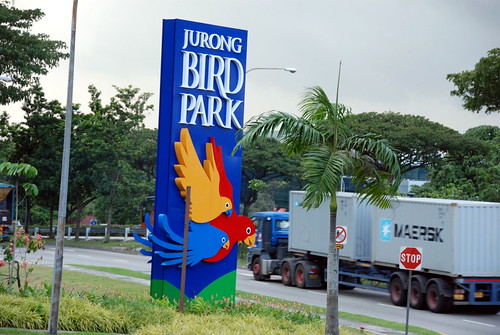
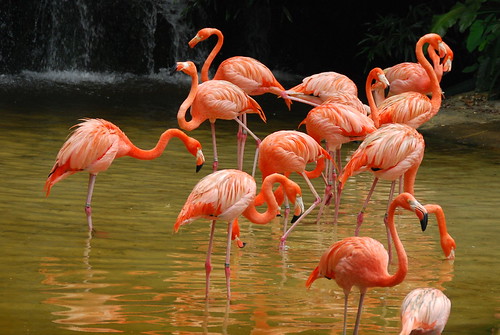
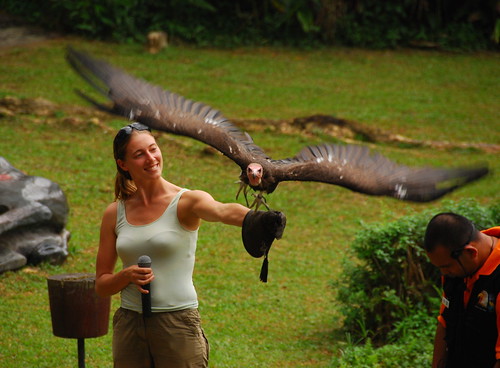
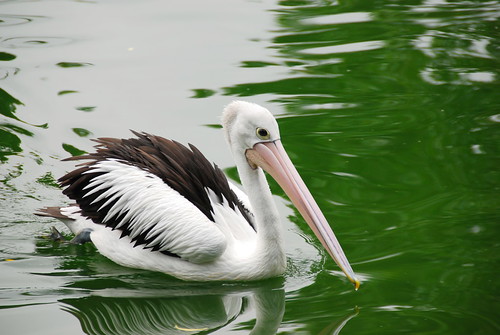

 This is a trackback post on four day stopover trip in Singapore, while coming back from Seoul. The trip materialized because of generous hospitality of my high-school friend Ajay Bargur, who was staying at Singapore. This posting has been pending for a long time and have managed to post in this pre-ALP break.
 I got up late after having a deep sleep, by that time Ajay and his friends were ready to leave to their respective offices. Ajay gave me some suggestions about places I can explore in his absense. Firstly, I started my (re)search on Singapore. Found some good blog-links and later on noted down important points from wikipedia and wikitravel. Short-listed a few places and got some info about
  Later, we explored Mustafa shopping center. The market was essentially like National Market of Bangalore, fully congested and very less breathing space. Not sure how come such a shop is able to run legally in Singapore ? Some people say that the owner of the complex is very close friend of Prime Minister.
 We got up late to recover from late night visit to Orchard Road. First went to have brunch at Food Court of Chou Chu Kang MRT mall. Surprisingly not even a single decent vegetarian dish available there. For a moment I felt Korea was far better than Singapore. It might be an "exceptional fallacy" as the Chou Chu Kang is mostly populated with people of Chinese origin. we started sightseeing with a visit to Esplande. After having photo session at terrace of Esplande we headed to signature of Singapore i.e. Merlion Statue. Next to statue there were a few tall building of financial district and also Hotel Fergusson, oldest hotel of Singapore which is wanna-stay place for many top-notch people. Then we had a Coffee break at Starbucks outlet near the statue. While having coffee Ajay showed me that the buildings under construction on other side of the bay are Casinos which are going to be functional by next-year. Truly tourism department of the country is trying all means to woo people.
 When the day reached the twilight phase, we decided to head towards Zoo for Night Safari and to be in time for night animals show. We took a MRT to Avai Kia Station from there to the zoo by Bus#138. First we witnessed night animal show which didn't like much (personally). It might be very entertaining for children. Then we took a tram ride for the Night Safari. I had to pay additional 10 SGD on top of my combo ticket for the ride. The safari ride was pretty decent but frustrating for people who prefer to take photographs as there won't be sufficient light to shoot. After night safari activities we had dinner at Indian Tandoor in the foodcourt. I had vegetable biriyani for 17 SGD, though expensive it was good enough to annul my afternoon's disappointment at food court of Chou-Chu-Kang Station.
 Ajay was occupied with some preparation for his work next day. I had no choice but to explore on my own and decided to meet my other friends and colleagues. First I met Yashas, my engineering classmate who was doing MS at NUS. He asked me to come to Clementi station. The temporary Singtel connection was a big boon to have seamless communication. We had lunch at some south-India Hotel near station. Then, Yashas took me to his PG room and from there to his university campus. After a brief photo session at the campus, I decided to move on and meet my colleague Sampath, who was in Singapore for biz-trip. From NUS campus, I took Bus#95 to Boono-Vista station. I took MRT to City Hall station and walked for 5 minutes to Carlton Hotel, the place where Sampath was staying.
 I forced Sampath to pre-empt his issue reproducing work and join me to visit Sentosa Island. Before leaving to Sentosa we made a brief visit to Sun-tech City Mall and took photographs here and there. For getting to Sentosa we took MRT to Marina Bay. The exit of the station directly took us into Vivo City Mall. We explored the mall, took some photographs in front of huge Christmas tree in terrace area of the mall. We bought some stuffs at 2$ shop. In the mean time, we really forgot that we were there at the place for visiting Sentosa ! Later we looked at options of getting to Senotosa from Vivo-mall. Of all the options we chose Sentosa Express, the ride is free with entry ticket of 3 SGD. In the same counter we bought tickets for 8.30 pm 'Song of the Sea' show for 8 SGD per head( 7.30 pm tickets were sold out !). Song the sea show was just awesome, brilliantly choreographed with usage of latest technologies. Later, after taking a few photographs in the park, we decided to get back to hotel. At City-Hall MRT station, we roamed around looking for a place to have food. Unfortunately none of the places we found proper vegetarian food. Then finally we decided to have some food at 24/7 McDonald. Even there was no option for vegetarian food. I ordered for a customized burger without meat. It wasn't stomach filling but was sufficient to keep me alive :).
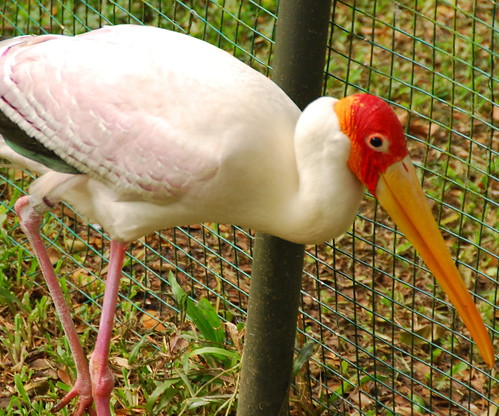
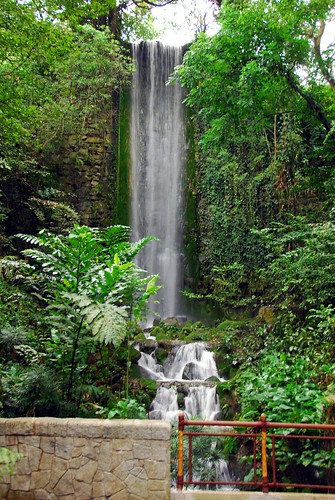
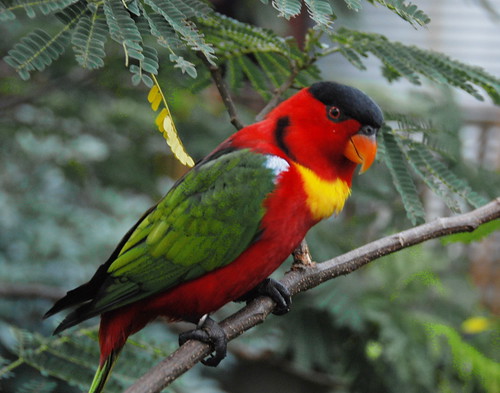
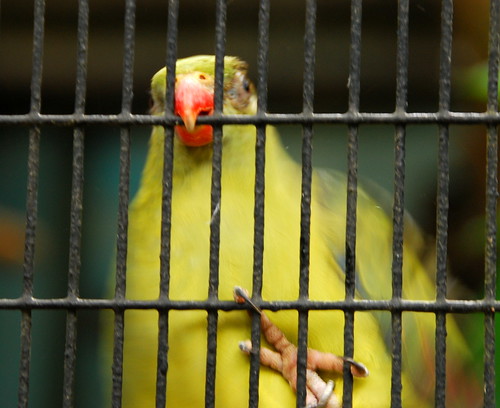
 After staying overnight at Sampath's place, I left very early in morning to be in time before Ajay leaves to his office. After taking keys from Ajay, I started last leg of trip by visiting Singapore Zoo. I was not really keen visiting zoo again, since I had seen many animals in Night safari itself. But for utilizing my combo-ticket and take a few photographs of animals, I decided to carry on with the plan. There was a direct bus to the Zoo from Chou-Chu-Kang bus terminus itself. I explored the zoo in detail, read description of name plates and of course took photographs. The highlight of the visit was Orang-Utan feeding session, which happens everyday at 11 am. I had lunch at yet another food court, and had biriyani again and the price was around 8 SGD ( almost half of Night Safari food-court).
